
Influencer Platforms, Social Media or Website: Where Brand Deals Begin
Would you like to read this article told by Lynnie, our fictional kid character? Jump here.
After explaining how brand deals work, this article covers the three profile options where brand deals begin.
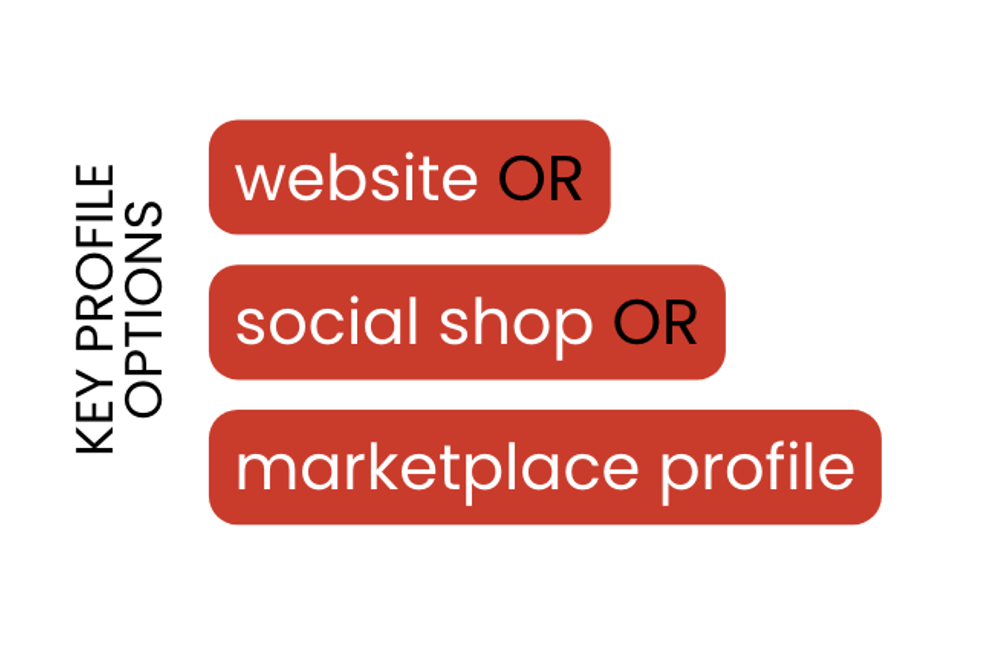
Brand deals can begin in three places: on your social media profile, on influencer platforms or on your own website. For sponsorships and UGC, all three of Lynnaider’s profile types are possible. In this article, we explain each option and which suits which kind of deal.
Social media profiles: where most brand deals start
For most creators, the main profile that reaches an audience is a social media profile. A well-visited blog or website can attract brands too. However, social platforms are currently the most powerful discovery engines.
They surface content efficiently. They also provide the performance numbers brands rely on, such as engagement rate, as proof of relevance and audience connection. These numbers are generally easier to show on social media than on standalone websites.
If you pursue sponsorships beyond UGC, you will generally need a social media profile where you actively nurture and engage your audience.
Influencer platforms as a key profile
Alongside audience-facing profiles, influencer platforms are a key profile type in this technique. Platforms such as Aspire, TRIBE or Collabstr are designed to connect creators directly with brands. Here, your profile speaks to brands rather than to the public.
You can still reach out to brands through traditional methods such as email. Many creators, however, find it more efficient to be visible on influencer platforms. These platforms make discovery, vetting and pitching much easier.
Influencer platforms for UGC
For UGC, influencer platforms can even be your main profile. Brands there look for strong content portfolios rather than large audiences. A well-built portfolio with clear examples can win deals without a big following.
How influencer platforms usually work
You create a profile with your niche, your content examples and, if you have one, a link to your social account. Brands post campaigns or search for creators, and you can apply or receive invitations. Many influencer platforms also handle agreements and payments inside their system.
Websites and blogs
We also include websites as a feasible key profile, because brands do not find creators only through social media. Established blogs, niche websites and expert publications can also attract sponsorships. This is especially true when they receive consistent organic traffic and show authority on a specific topic.
As AI-powered search increasingly draws on high-quality websites, this route may become even more relevant over time. Our article on generative engine optimization explains why. At the time of writing, however, social media remains the main channel where most sponsorships begin.
No checkout needed
Whichever key profile you use, this technique does not require you to handle transactions. You do not need a social store or an e-commerce setup, because you are not accepting payments from your audience.
The brand pays you directly, usually by invoice after delivery, or through the influencer platform you signed up for. Your role is to deliver the agreed content and, in sponsorships, the exposure.
Influencer platforms, social media and websites compared
| Profile | Speaks to | Best for |
|---|---|---|
| Social media profile | Your audience | Sponsorships, building engagement and reach |
| Influencer platforms | Brands | UGC and pitching efficiently |
| Website or blog | Readers and search engines | Niche authority and long-term sponsorships |
How to combine the three profiles
Many creators combine at least two. A social profile builds the audience and the numbers. An influencer platform puts that profile in front of brands.
A website can add depth later, for example with longer guides that rank on search engines. If you start with UGC only, a portfolio on influencer platforms may be enough at first.
Common mistakes when choosing your profile
The first mistake is joining many influencer platforms with empty profiles. One complete profile with strong examples works better than five half-finished ones. The second is relying only on one social platform, which can change its rules at any time.
The third mistake is neglecting your public profile once you join influencer platforms. Brands will still look at it before choosing you.
An example of using influencer platforms
Imagine a creator who makes short, faceless videos of houseplant care. She builds a portfolio on two influencer platforms with her ten best videos. Within weeks, a plant food brand orders three UGC videos through one platform.
Meanwhile, she keeps posting on her social profile. A year later, with an engaged audience, she lands her first sponsorship through the same platform.
What brands look for on influencer platforms
On influencer platforms, brands usually filter creators by niche, location, audience size and engagement. A complete profile with clear categories helps them find you. Add your best content and a short, specific description of your style.
Many platforms also show your past collaborations and ratings. Treat every deal carefully, because good reviews help you win the next one.
Choosing your first influencer platforms
Start with one or two influencer platforms that fit your content type. Some focus on UGC, others on sponsorships, and some on specific regions. Read their terms, especially fees and how payments are released.
Prefer platforms that are free for creators to join. Some take a share of each deal, which pays for matching you with brands and handling payment.
An example of a website that attracts brands
Imagine a blogger who writes detailed guides about cycling routes in the Alps. Her articles rank well on search engines and receive steady visitors every month. A bike accessories brand finds her through search and offers a sponsored guide featuring its products.
She has only a small social media account, yet her website alone brought the deal.
Starting small and staying private
Brand deals need no shop and no stock. We recommend spending no more than about 20 dollars on your setup, using free tools for your content and your media kit, with no monthly fees before brands know you. You can grow your audience yourself, without an agency.
Brands still often prefer creators they can see, but faceless creators can succeed too, especially with UGC. If the idea of self-branding is what held you back so far, Lynnaider recaps the alternatives for you.
Your next step
The next article lists the setup brand deals need: only one of the five setup types is always required. The complete module, alongside the other online income techniques, is in the book on our products page. If you would like help choosing influencer platforms, see our services page.
Frequently asked questions
Which influencer platform is best?
It depends on your content type and region. Try one or two that are free for creators and fit your niche, then compare the opportunities they bring.
What is the main profile for sponsorships?
For most creators, a social media profile, because social platforms are powerful discovery engines and show the metrics brands rely on.
What are influencer platforms?
Marketplace-style platforms such as Aspire, TRIBE or Collabstr that connect creators with brands for discovery, vetting and pitching.
Can I get brand deals with a website or blog?
Yes. Established blogs, niche websites and expert publications can attract sponsorships, especially with consistent organic traffic and authority in a topic.
Do I need a social store for brand deals?
No. You do not accept payments from your audience. Brands pay you directly or through the platform.
Do I need a social media profile for UGC?
Not necessarily. For UGC, a portfolio on an influencer platform can be enough. For sponsorships, you generally need an active social profile.
Why do brands prefer social media metrics?
Because metrics like engagement rate show how connected your audience is, and social platforms make them easy to demonstrate.
Can I still email brands directly?
Yes, but many creators find influencer platforms more efficient for discovery and pitching.
Will Lynnaider publish step-by-step tutorials for setting up the 10 online business models for free or at a very low cost?
They may be created depending on how much interest there is. Please join the waitlist to show that you are interested, and we will let you know as soon as they are ready.
Will websites become more important for sponsorships?
Possibly. As AI-powered search draws on high-quality websites, strong niche sites may attract more brand interest over time.
Where can I get step-by-step help to set up the Sponsorships & UGC technique on a small budget?
Yes. Lynnaider teaches setup routes for the Sponsorships & UGC technique that cost nothing, or very little (under 20 dollars), to go live, so you do not pay setup costs long before you earn. Our free AI agent, Lynnaider Compass, guides you through them step by step, in the same logic as the whole Lynnaider teaching.
Disclaimer: This article is for general informational purposes only and should not be regarded as legal, tax, or business advice. Pursuing an online business does not guarantee income; results depend on many factors including the business environment, individual effort, skills, and consistency. Some links on this site may allow Lynnaider to earn a commission at no additional cost to the reader.