
Website or Social Media: Where to Build Your Audience for Monetization
Would you like to read this article told by Lynnie, our fictional kid character? Jump here.
After explaining how audience monetization works, this article compares the two profile options: a website or social media.
Where should you build your audience if you want to earn from it? In audience monetization, two of Lynnaider’s three profile types are available. In this article, we compare a website or social media, and explain why many creators end up using both.
Website or social media: the two routes
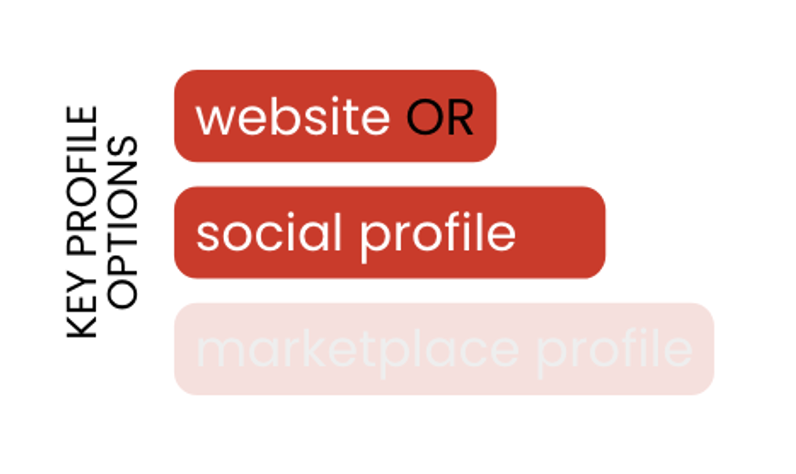
For audience monetization, the relevant profile types are a social media profile and a website or blog. They lead to two meaningfully different routes. The thresholds to qualify, the revenue structure and the type of content all differ.
Social media: the route to platform programs
A social media profile is your entry point to platform monetization programs. These include the YouTube Partner Program, the TikTok Creator Rewards Program and Meta’s content monetization. Each pays creators a share of the ad revenue generated around their content.
Social media is strong for discovery. Algorithms can show your content to many new people quickly. We explain the programs in our article on platform monetization programs.
Website: the route to ad networks
A website or blog opens a parallel path through ad network partnerships. Providers include Google AdSense, Ezoic, Mediavine and Raptive. Here, revenue is tied to the volume and quality of traffic your site receives.
A website is yours, so you control its look, structure and content. Search engines and Pinterest can bring visitors for years. We explain the networks in our article on blog ad networks.
Website or social media: why many use both
In practice, many creators who reach scale operate both. They use social media to build and keep an audience. They earn higher ad rates through a premium network on their own site.
For example, a recipe creator might post short videos on social media and link to full recipes on her blog. The videos bring discovery, and the blog earns from premium ads.
Website or social media at a glance
| Social media profile | Website or blog | |
|---|---|---|
| Earns through | Platform monetization programs | Ad networks |
| Discovery | Algorithms, often fast | Search and Pinterest, often slower but lasting |
| Control | Limited, platform rules | Full |
| Legal pages | Covered by the platform | Privacy policy and cookie consent needed |
| Typical content | Videos, short posts | Articles, guides, recipes |
Why marketplaces do not apply
A marketplace is a transactional environment where visitors arrive to buy something specific. There is no way for a seller to earn from visitor attention in the way these programs allow. That is why marketplaces do not apply to this technique.
How to choose between a website or social media
If you love video and want fast discovery, start with social media. If you love writing and want long-term, search-driven traffic, start with a website. If you enjoy both, start with one and add the other once the first runs well.
Think also about independence. Social platforms control your reach. A website, combined with an email list, gives you an audience you can always reach, as explained in our article on audience retention methods.
Common mistakes when choosing a website or social media
The first mistake is building on five platforms at once, which spreads your effort too thin. The second is relying on one social platform only, which can change its rules overnight. The third is starting a blog without a plan to bring traffic, such as SEO or Pinterest.
An example of choosing a website or social media
Imagine a creator who loves explaining houseplant care. She starts with short videos on social media, which grow quickly. After a year, she launches a blog with detailed care guides for each plant, linked from her videos.
Her videos earn through a platform program, and her blog earns through an ad network. Each supports the other.
Website or social media: costs and effort
Social media profiles are free and quick to start. A website needs a domain and hosting, usually a small yearly cost, and more setup. In return, you own it and can earn premium ad rates.
Effort differs too. Social media needs frequent posting. A blog needs fewer, longer pieces that keep bringing visitors.
Website or social media and your email list
Whichever you choose, start an email list early. It lets you reach your audience directly, even if platforms change. A website makes collecting emails easier, which is another reason many creators build one.
Website or social media: which grows faster?
Social media can grow fast when a video takes off, but reach can also drop quickly. A blog usually grows slowly through search and Pinterest, but steadily. Many creators value having both rhythms.
Choose based on your patience, your skills and the type of content you enjoy most.
Website or social media for faceless creators
Both routes work without showing your face. Blogs are naturally faceless, and many successful channels use voiceovers, hands-only filming or animations. Choose the format you are comfortable with.
If the idea of self-branding is what held you back so far, both routes give you private options.
Starting small and staying private
Audience monetization needs no product and almost no setup budget. We recommend spending no more than about 20 dollars at the start, for example on a domain name, with no monthly fees before you have traffic. You build the audience yourself, with organic content, without an agency.
Many successful channels and blogs never show their creator’s face. If the idea of self-branding is what held you back so far, Lynnaider recaps the alternatives for you.
Your next step
The next article lists the setup audience monetization needs: two of the five setup types are always required. The complete module, alongside the other online income techniques, is in the book on our products page. If you would like help choosing a website or social media, see our services page.
Frequently asked questions
Which route suits video creators?
Social media, where platform programs pay for views and watch time.
Can I move from one route to the other later?
Yes. Many creators start on one and add the other once the first works well.
Which route suits writers?
A website or blog, since ad networks reward written content that attracts steady visitors.
Can a faceless channel be monetized?
Yes, as long as the content is original and meets the program’s requirements.
Can social media traffic help my blog qualify for ad networks?
Yes. Links from your social profiles can bring sessions to your blog, as long as they come from real people.
Can I start a blog for free?
Some platforms offer free plans, but most ad networks require your own domain. A domain costs little per year.
Should I post the same content on social media and my blog?
Adapt it. Short videos on social media can lead to longer articles on your blog.
Which profiles work for audience monetization?
Two: a social media profile, for platform monetization programs, and a website or blog, for ad networks.
What does a social media profile give access to?
Programs such as the YouTube Partner Program, TikTok Creator Rewards and Meta’s content monetization.
What does a website give access to?
Ad network partnerships such as Google AdSense, Ezoic, Mediavine and Raptive.
Why do many creators use both?
Social media builds and keeps an audience, while a website with a premium ad network often earns more per visitor.
Why can’t I use a marketplace for audience monetization?
Marketplaces are for transactions. There is no way for a seller to earn from visitor attention there.
Which route is faster?
It depends on your content. Short videos can grow quickly, while blogs often grow slowly but steadily through search.
Can I get step-by-step guidance from Lynnaider to set up one of the 10 online business models without spending much?
Step-by-step tutorials with free or minimal-cost setups may be made based on interest. Please add your name to the waitlist, and we will inform everyone who signed up as soon as they become available.
Do I own my audience on social media?
Not fully. Platforms control reach and rules. A website and an email list give you more independence.
Do both routes require organic growth?
Yes. All platform programs and ad networks require genuine, organic audiences.
Is there a low-cost way to set up the Content as Your Core Business Model technique?
Yes. Lynnaider teaches setup routes for the Content as Your Core Business Model technique that cost nothing, or very little (under 20 dollars), to go live, so you do not pay setup costs long before you earn. Our free AI agent, Lynnaider Compass, guides you through them step by step, in the same logic as the whole Lynnaider teaching.
Disclaimer: This article is for general informational purposes only and should not be regarded as legal, tax, or business advice. Pursuing an online business does not guarantee income; results depend on many factors including the business environment, individual effort, skills, and consistency. Some links on this site may allow Lynnaider to earn a commission at no additional cost to the reader.