
Dropshipping Examples: 5 Stores That Give Products a New Purpose
Would you like to read this article told by Lynnie, our fictional kid character? Jump here.
With the print-on-demand module complete, ending with print-on-demand setup, we move to the sixth online income technique, dropshipping done well, starting with five example characters.
Dropshipping is the sixth of Lynnaider’s ten online income techniques, and the one with the most complicated reputation. That is why we teach it in a specific way: dropshipping done well. In this article, we introduce five fictional store owners who show what that looks like.
These dropshipping examples are based on patterns we see in real stores. Notice how each one adds something: a new use, a careful selection or useful tips. None of them simply resells random products.
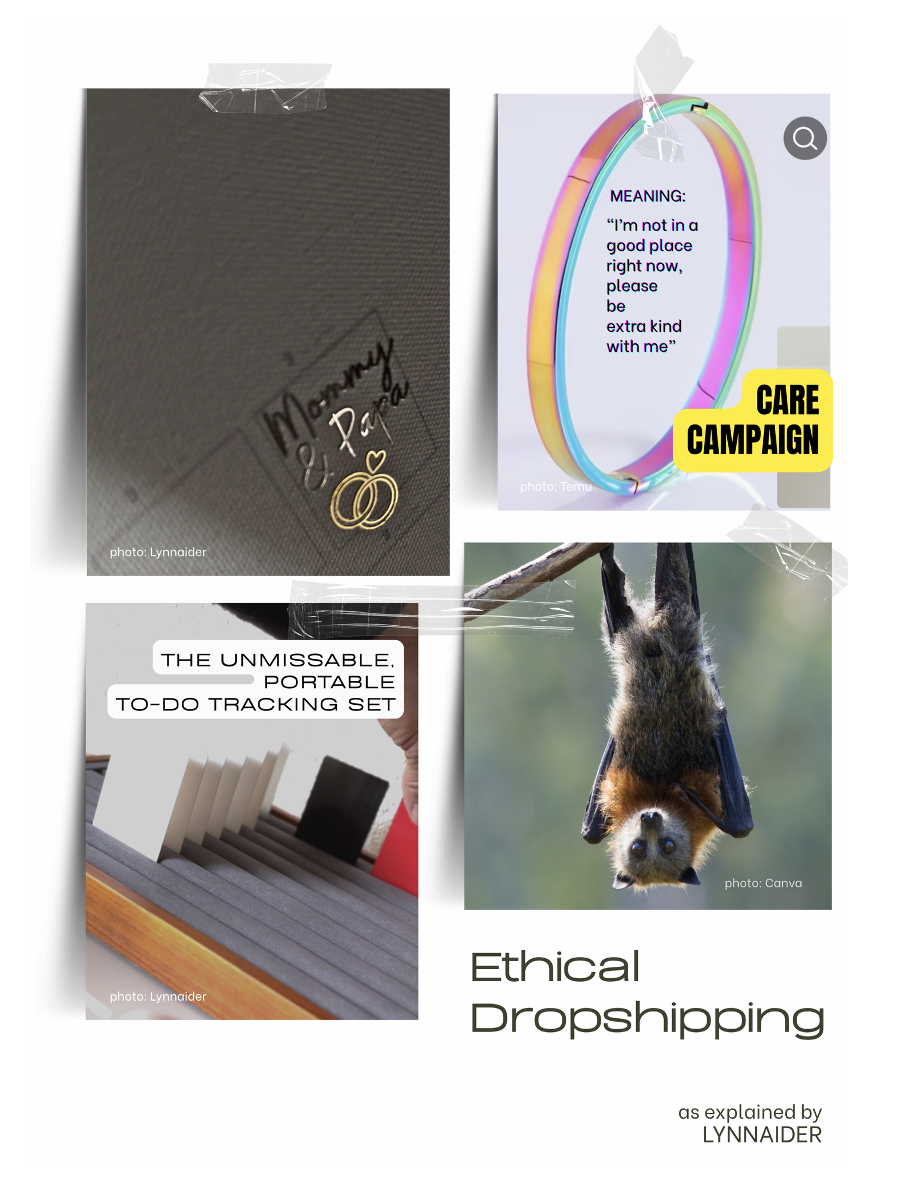
The characters in this article are invented and shown for educational purposes only.
What the dropshipping examples have in common
Dropshipping means selling a supplier’s products for a margin, without holding stock. The supplier ships directly to the customer. When done well, as we see it, it means giving an ordinary product a new function or use and presenting it through thoughtful advertising.
All five characters run their own website and use paid ads to bring traffic. What differs is their niche and the value they add. Look at each example with one question in mind: what does this person add that the supplier alone does not?
Five dropshipping examples done well
Jamie the Pet Enthusiast, the first of our dropshipping examples
Jamie has loved pets her whole life, especially cats and dogs. Her unique take in the pet niche is multifunctional accessories. Think of toys that double as treat dispensers, or collapsible water bowls for travel.
Her website has a playful look, with clear product descriptions and testimonials. She attracts her audience with Facebook ads targeting pet owners. Her automated emails send personalized product recommendations, discounts and tips based on each customer’s type of pet.
Thea the Eco-friendly Auntie
Thea champions sustainable living and has a talent for reimagining everyday items for greener purposes. She sources high-quality products and markets them as reusable alternatives. For example, she presents baking mats as a replacement for parchment paper, or as craft mats for children’s projects.
This reduces waste in unexpected places. Her website highlights how versatile her products are, and she brings traffic with Pinterest video ads. Thea is a clear example of giving a product a new function.
Kate the Gamer Gear Guru
Kate has a passion for gaming and tech accessories, built over years as an avid gamer. She tests affordable but high-quality accessories, like RGB lighting strips, ergonomic mousepads and portable controllers, for budget-conscious gamers. Her testing is her added value.
Her website is sleek and modern, with vibrant images and her own reviews. She uses YouTube ads targeting viewers of gaming content. Her email sequences offer exclusive deals and tips for creating the ultimate gaming setup.
Pomme the Present Wrapper
Pomme loves the magic of gift-giving and preparing holiday presents. Her business idea: beautiful, reusable fabric wraps, positioned as a stylish and sustainable alternative to single-use gift wrap. She gives an ordinary piece of fabric a new purpose.
Her website shows warm visuals with creative wrapping ideas and a wider range of products. She uses Facebook ads targeting holiday shoppers and eco-conscious consumers. Her emails include gift-wrapping tutorials and early-bird offers.
Emily the Stationery Queen
Emily simply loves the smell of stationery and always loved back-to-school season because of it. She believes she has good taste in matching stationery around themes, in complementary rather than obvious ways. So she created several sets for different students, or rather for their parents.
Many parents have no time to choose notebooks, pens and rulers one by one, and would pay someone to do it for them. Emily’s website has it all figured out already. Her Instagram ads put her sets in front of millions of people.
What these dropshipping examples teach beginners
First, each store adds value. Jamie and Thea highlight new or multiple functions. Kate tests and reviews. Pomme reframes fabric as gift wrap, and Emily saves parents time with curated sets.
Second, all five use their own website, because dropshipping requires one. Third, paid ads are the main traffic method, often combined with email automation. Email turns one-time buyers into returning customers, as explained in our article on audience retention methods.
Dropshipping examples and their responsibilities
In every example, the store owner is the seller in the customer’s eyes. If a parcel is late or a product disappoints, the customer contacts them, not the supplier. That is why testing products and choosing reliable suppliers matters so much.
We explain these responsibilities in our article on dropshipping responsibilities.
Dropshipping examples you can adapt
You do not need to copy any of these characters. Instead, look for a product you already use in an unexpected way, or a set of products you could combine for a specific group. Then ask: would people pay for this new angle?
Write your own version in three lines. “I present … as … for …”. If the new angle truly helps people, you may have found a value-added dropshipping idea.
How the dropshipping examples choose suppliers
Behind every store above is a careful supplier choice. Kate tests accessories before listing them. Thea looks for high-quality products that last, because reusable alternatives must survive many uses.
A good supplier offers consistent quality, honest delivery times and a clear returns process. Order samples, compare suppliers and keep notes. The supplier you choose decides much of your customers’ experience.
Starting small and staying private
Dropshipping usually involves paid advertising, so it needs more budget than most techniques. Still, keep your setup itself lean: we recommend no more than about 20 dollars at the start, free plans where possible, and no monthly fees before you have tested your product and your idea. Test with small ad budgets first, and learn to run your own ads without an agency.
Your store and your product story can be the face of your business. If the idea of self-branding is what held you back so far, Lynnaider recaps the alternatives for you.
Your next step
The next article explains ethical dropshipping: how it works, why it is criticized and how Lynnaider teaches it differently. The complete module is in the book on our products page. If you would like help testing a dropshipping idea, see our services page.
Frequently asked questions
How do I choose a dropshipping niche?
Start from products you use differently than intended, or from a group whose needs you know well, such as pet owners, gamers or busy parents.
What is dropshipping?
Selling a supplier’s products for a margin without holding stock. The supplier ships directly to your customer. Done well, it means giving a product a new function or use and presenting it thoughtfully.
Are these dropshipping examples real people?
They are fictional characters based on patterns we see in real stores. They show what value-added dropshipping can look like.
What makes these dropshipping examples different from low-effort stores?
Each one adds value: a new use for a product, careful testing, a curated set, or useful tips alongside the products.
Does Lynnaider show step-by-step tutorials for the 10 online business models with no or minimal setup costs?
Based on interest, these tutorials may be made. If you would like to see them, please sign up to the waitlist, so we can see that there is interest. Everyone on the list will be informed as soon as the tutorials are available.
Which traffic methods do dropshippers use?
Mostly paid ads, such as Facebook, Pinterest, YouTube or Instagram ads, often combined with email automation.
Do dropshippers need a website?
Yes. In dropshipping, your own e-commerce website is the key profile, because it connects to your suppliers in the background.
Why test products before selling them?
Because you are responsible for what your customers receive. Testing lets you speak honestly about quality and delivery.
What is a curated product set?
A selection of products chosen to match a theme or need, saving customers the time of choosing items one by one.
Can dropshipping be sustainable?
It can support sustainability when it promotes reusable alternatives or durable products, as some of the examples show.
Where can I get step-by-step help to set up the Ethical Dropshipping technique on a small budget?
Yes. Lynnaider teaches setup routes for the Ethical Dropshipping technique that cost nothing, or very little (under 20 dollars), to go live, so you do not pay setup costs long before you earn. Our free AI agent, Lynnaider Compass, guides you through them step by step, in the same logic as the whole Lynnaider teaching.
Disclaimer: This article is for general informational purposes only and should not be regarded as legal, tax, or business advice. Pursuing an online business does not guarantee income; results depend on many factors including the business environment, individual effort, skills, and consistency. Some links on this site may allow Lynnaider to earn a commission at no additional cost to the reader.