
No-Code AI Agent Platforms: ChatGPT, Poe, Pickaxe and More
Would you like to read this article told by Lynnie, our fictional kid character? Jump here.
After explaining how an AI agent business works, this article compares the platforms where your agent can live.
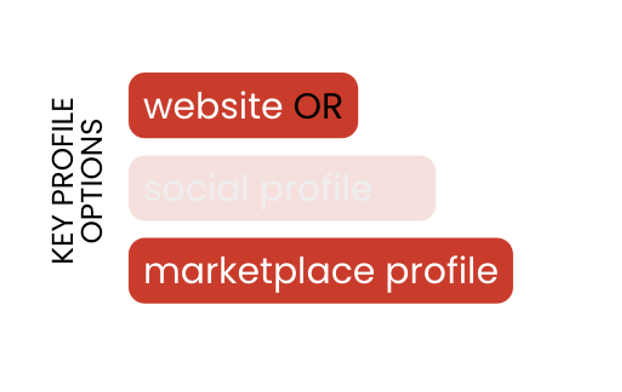
Once you know what your AI agent should do, you need to decide where it will live. In this technique, two of Lynnaider’s three profile types are available. In this article, we compare no-code AI agent platforms: AI ecosystems that work like marketplaces, and tools that let you host an agent on your own website.
Two kinds of no-code AI agent platforms
Conversational AI agents can be distributed through two profile types. The first is inside an established AI platform, such as ChatGPT. The second is on your own website or digital ecosystem.
Your choice affects how users find your agent, who can access it and how much of the technical setup is your responsibility.
No-code AI agent platforms that work like marketplaces
The most accessible starting point for most builders is ChatGPT, by creating and publishing a Custom GPT. Here, ChatGPT works much like a marketplace. It connects creators of AI agents with ChatGPT users, serving both as the place where the agent runs and as a discovery layer where users can find it.
Building a Custom GPT on no-code AI agent platforms
The builder experience is almost entirely conversational. You describe your agent’s purpose, personality, knowledge areas and limits in a chat. ChatGPT turns those instructions into the agent’s operating logic.
You can also upload documents, such as guides, FAQs or reference materials. The agent draws on them when responding to users.
Other marketplace-style platforms
Similar ecosystems exist on platforms such as Poe, developed by Quora, and Coze, developed by ByteDance. Both let builders publish agents that other users can find and use directly on the platform.
The main limitation of this route is that users need an account on the platform to use your agent.
No-code AI agent platforms for your own website
The other route is to build your agent with a dedicated external platform and host it on your own website. There, anyone can use it without an account elsewhere. You get full control over its appearance, behavior and placement, and it fits naturally into your existing online presence.
The tools that make this possible without code have matured a lot. Here are a few examples.
- Pickaxe: one of the more creator-focused platforms. You build AI tools and embed them on websites by describing their behavior in plain language and adjusting settings.
- Voiceflow: a well-established visual platform for designing conversation flows, with a no-code interface for mapping multi-step interactions.
- Zapier: widely known for automating tasks between apps, it now also offers AI agents you can set up conversationally and embed or share.
- Dify: an open-source option that lets builders create and publish AI applications through a visual interface.
Vibe coding: how no-code AI agent platforms work
Nearly all these platforms share a building approach sometimes called vibe coding. The term describes creating software or AI systems by describing what you want in plain language, rather than writing code.
For an AI agent, that usually means opening the setup screen and typing something like: “You are a helpful assistant for dog owners looking for training advice. You are warm and encouraging. You never recommend any specific medication.” The platform turns that description into the agent’s behavior.
You then refine it by continuing to work with the builder. You adjust the tone, add restrictions and test the answers, until the agent behaves the way you intend.
No-code AI agent platforms compared
| AI platform (ChatGPT, Poe, Coze) | Own website (Pickaxe, Voiceflow, Zapier, Dify) | |
|---|---|---|
| User needs an account there | Yes | No |
| Discovery | Platform users can find it | You bring all traffic |
| Control over look and access | Limited | Full |
| Direct payments | Usually indirect | Yes, often built in |
| Your setup work | Low | Higher |
How to choose between no-code AI agent platforms
If you want to test an idea quickly, a Custom GPT is the easiest start. If your agent works well and people want it, you can later rebuild it on an external platform to sell it directly. Many builders follow exactly this path.
If you already have a website and an audience, an embedded agent on an external platform may be the better first step. Read each platform’s terms before you build, as we explain in our article on AI agent business setup.
Common mistakes when choosing no-code AI agent platforms
The first mistake is choosing a platform only for its features, without checking its pricing per interaction. The second is building on a platform whose terms forbid selling what you plan to sell. The third is depending on one platform without keeping your instructions and knowledge files saved elsewhere.
Saving your work across platforms
Keep your instructions, knowledge files and test questions saved in your own documents. If a platform changes its terms or you want to switch, you can rebuild your agent elsewhere. Your know-how stays yours.
An example of choosing no-code AI agent platforms
Imagine a teacher who builds a homework helper. She first creates a Custom GPT to test it with a few families who already use ChatGPT. When the feedback is good, she rebuilds it on an external platform so any parent can use it on her website, and charges a monthly fee.
Starting small and staying private
A no-code AI agent can start on a very small budget. We recommend spending no more than about 20 dollars on your setup, using free or low-cost plans, with no monthly fees before you know people want your agent. You can bring traffic yourself, without an agency, by showing what your agent does.
Your AI agent can be the face of your business. If the idea of self-branding is what held you back so far, Lynnaider recaps the alternatives for you.
Your next step
The next article lists the setup an AI agent business needs: four of the five setup types are always required. The complete module, alongside the other online income techniques, is in the book on our products page. If you would like help choosing between no-code AI agent platforms, see our services page.
Frequently asked questions
Do I need my own website for an AI agent?
Not for the marketplace route. For a standalone agent you sell directly, a simple website helps users find and trust it.
Can I move my agent from ChatGPT to another platform?
Not automatically, but if you saved your instructions and knowledge files, you can rebuild it on another platform fairly quickly.
Are no-code AI agent platforms free?
Many offer free plans or trials with limits. Paid plans and usage costs usually apply once you charge users.
Which profile types work for AI agents?
Two: a marketplace-like AI platform such as ChatGPT, or your own website with an agent built on an external platform.
Can I get step-by-step guidance from Lynnaider to set up one of the 10 online business models without spending much?
Step-by-step tutorials with free or minimal-cost setups may be made based on interest. Please add your name to the waitlist, and we will inform everyone who signed up as soon as they become available.
Why is ChatGPT like a marketplace for AI agents?
Because it hosts Custom GPTs and connects their creators with users, acting as both the environment and a discovery layer.
Are there other marketplace-style AI platforms?
Yes, for example Poe, developed by Quora, and Coze, developed by ByteDance.
What is the main limitation of AI platforms?
Users must have an account on that platform to use your agent.
Which tools help me host an AI agent on my own website?
Examples include Pickaxe, Voiceflow, Zapier’s AI agents and the open-source Dify.
What is vibe coding?
Creating software or AI systems by describing what you want in plain language rather than writing code.
What does building an agent look like in practice?
You type a description such as the agent’s role, tone and limits, then refine it by testing responses and adjusting until it behaves as intended.
Which option is easiest to start?
A Custom GPT in ChatGPT is often the most accessible, since the builder is conversational and hosting is included.
Where can I get step-by-step help to set up the Agentic AI technique on a small budget?
Yes. Lynnaider teaches setup routes for the Agentic AI technique that cost nothing, or very little (under 20 dollars), to go live, so you do not pay setup costs long before you earn. Our free AI agent, Lynnaider Compass, guides you through them step by step, in the same logic as the whole Lynnaider teaching.
Disclaimer: This article is for general informational purposes only and should not be regarded as legal, tax, or business advice. Pursuing an online business does not guarantee income; results depend on many factors including the business environment, individual effort, skills, and consistency. Some links on this site may allow Lynnaider to earn a commission at no additional cost to the reader.