
Where to Find Freelance Clients: Marketplace, Website or Social Store
Would you like to read this article told by Lynnie, our fictional kid character? Jump here.
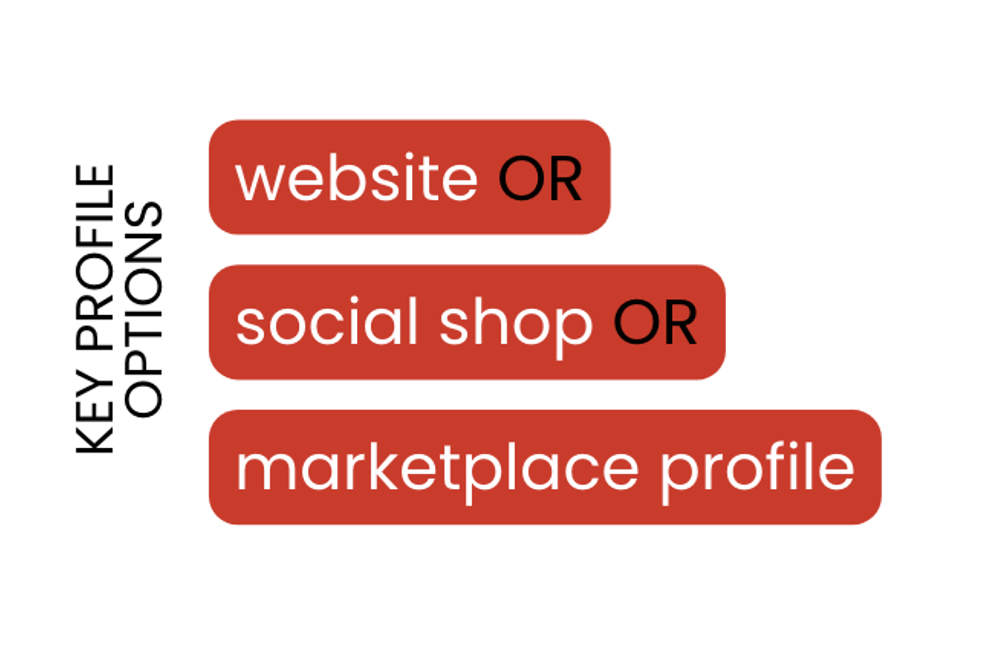
Now that you know how freelancing works, here are the three profile options for finding freelance clients.
A great service only earns if clients can find it. In freelancing, you can use all three profile types: a marketplace profile, your own website or a social store. In this article, we explain where to find freelance clients and which option suits which stage of your journey.
Each profile type suits a different level of experience and administrative readiness. Knowing the practical differences helps you choose the right starting point.
Where to find freelance clients: marketplaces
A marketplace profile, on platforms such as Fiverr, Upwork or Freelancer, is the most common entry point for new freelancers. These platforms bring clients directly to you. Businesses and individuals who are ready to hire browse the marketplace, search by skill or service type, and contact sellers whose profiles match their needs.
You do not need to build an audience from scratch or pay for advertising before your first inquiry. The platform handles payment processing, invoicing and dispute resolution. That removes a lot of administrative work.
Is a marketplace the best place where to find freelance clients?
In exchange, the platform keeps a percentage of each payment, typically between ten and twenty percent. Reviews and ratings are central to how marketplace algorithms show your profile. That makes your first few projects especially important to handle with care.
One habit is worth building right away: log in daily. Many platforms show when a seller was last active, and clients tend to contact those who appear available. We share more habits in our article on freelancer customer service.
Where to find freelance clients: your own website
Your own website gives you full control over how your services are presented, what you charge and how you communicate your brand. For freelancers offering higher-value or longer-term services, a well-built website often carries more credibility. That matters with clients willing to pay premium rates.
You set your own prices without platform fees reducing your margin. You also own the client relationship directly. Dominic, from our online freelancing examples, uses his website this way.
Your responsibilities with a website
The responsibilities are real. You collect payments through providers such as Stripe or PayPal, issue your own invoices and manage any contracts yourself. You also need a privacy policy and basic terms of service.
Most importantly, you are entirely responsible for bringing traffic to your site. That might come from SEO, content or referrals. Our article on SEO for beginners explains the basics.
Where to find freelance clients: social media and a social store
A social store works well for freelancers whose clients are already active on social platforms. A designer active on Instagram, or a consultant visible on LinkedIn, may find that inquiries arrive naturally through their content. Payment links or a simple booking page can handle the transaction once a client is ready.
The limitation is platform dependency. Social platforms change their rules and can restrict accounts without warning. Relying only on a social profile as your professional home is riskier than having a website.
Where to find freelance clients: a quick comparison
| Profile | Cost to start | Who brings clients | Admin work |
|---|---|---|---|
| Marketplace (Fiverr, Upwork, Freelancer) | Often free, then 10 to 20% per payment | Partly the platform | Low: payments and disputes handled |
| Own website | Hosting and domain | You, through SEO, content and referrals | High: payments, invoices, contracts |
| Social store | Often free | You, through your content | Medium: payment links or booking page |
How to choose where to find freelance clients
If you are just starting, a free marketplace is usually the easiest choice. Clients are already searching there, and the platform protects your payments. Use your first projects to collect reviews and build a portfolio.
Once you have experience and returning clients, consider adding a website for higher-value work. If you already create content on a social platform where your clients spend time, a social store can bring inquiries too. Many freelancers end up using two or all three.
The client relationship stays the same everywhere
Whichever profile you start with, freelancing involves an ongoing human relationship with each client. It does not matter which channel they found you through. Your communication, responsiveness and ability to manage expectations will shape what happens next.
These decide whether a client returns, refers others and leaves a review that helps your next client find you. In freelancing, good service is also your best marketing.
An example of finding freelance clients
Imagine a freelance translator who starts on a marketplace. Her first ten projects bring strong reviews and two returning clients. After a year, she builds a simple website for her specialty, legal document translation, with higher prices.
She keeps her marketplace profile for smaller jobs and shares translation tips on LinkedIn. Now clients find her in three places, and her website brings her best-paid work.
Starting small and staying private
A marketplace profile or social store can start for free. We recommend spending no more than about 20 dollars on your setup, with no monthly fees before you have clients. You can bring traffic yourself, without an agency.
Your portfolio and reviews can represent you. If the idea of self-branding is what held you back so far, Lynnaider recaps the alternatives for you.
Mistakes when choosing where to find freelance clients
The first mistake is building an expensive website before having any clients. A marketplace profile or a social store lets you test your offer first, for free. Build the website once you know what sells.
The second mistake is joining many marketplaces at once with half-finished profiles. One complete profile with clear examples and quick replies usually beats five empty ones. Add a second platform once the first one works.
The third mistake is relying on a single social platform for all clients. If your account is restricted, your business stops overnight. Keep a list of client contacts and, over time, add a second profile type.
Your next step
The next article lists the setup online freelancing needs: only one of the five setup types is always required. The complete module, alongside the other online income techniques, is in the book on our products page. If you would like help deciding where to find freelance clients, see our services page.
Frequently asked questions
Is LinkedIn good for finding freelance clients?
Yes, especially for business services such as consulting, writing or design for companies. Regular, helpful posts can bring inquiries from people already in your network.
Where do beginners find freelance clients?
Most start on a marketplace such as Fiverr, Upwork or Freelancer, because clients are already there and searching. Your own website and social profiles can follow later.
How much do freelancing marketplaces charge?
Typically between ten and twenty percent of each payment. In return, they handle payments, invoicing and dispute resolution.
Why are my first reviews so important?
Marketplace algorithms use reviews and ratings to decide which profiles to show. Strong early reviews help new clients find you.
When does a freelance website make sense?
When you offer higher-value or longer-term services. A good website builds credibility with clients willing to pay premium rates, and you keep the full fee.
What do I handle myself with my own website?
Payment collection through Stripe or PayPal, invoices, contracts, and all the traffic to your site.
Can I find freelance clients on social media?
Yes, especially if your clients are already active there, such as designers on Instagram or consultants on LinkedIn. Payment links or a booking page complete the sale.
What is the risk of relying only on social media?
Platforms change their rules and can restrict accounts without warning. A website gives you more independence.
Can I use several profiles at once?
Yes. Many freelancers start on a marketplace and later add a website or social profile, so clients can find them in more than one place.
Can I get step-by-step guidance from Lynnaider to set up one of the 10 online business models without spending much?
Step-by-step tutorials with free or minimal-cost setups may be made based on interest. Please add your name to the waitlist, and we will inform everyone who signed up as soon as they become available.
Is there a low-cost way to set up the Freelancing Online technique?
Yes. Lynnaider teaches setup routes for the Freelancing Online technique that cost nothing, or very little (under 20 dollars), to go live, so you do not pay setup costs long before you earn. Our free AI agent, Lynnaider Compass, guides you through them step by step, in the same logic as the whole Lynnaider teaching.
Disclaimer: This article is for general informational purposes only and should not be regarded as legal, tax, or business advice. Pursuing an online business does not guarantee income; results depend on many factors including the business environment, individual effort, skills, and consistency. Some links on this site may allow Lynnaider to earn a commission at no additional cost to the reader.