Native Advertising Online: How Sponsored Articles Work for Small Businesses
Would you like to read this article told by Lynnie, our fictional kid character? Jump here.
Following display advertising, here is method number thirteen: sponsored articles in online publications.
Some ads look like ads. Others look like articles. Native advertising online means paying a publication to feature your business in an article that matches its usual style, clearly labelled as sponsored. In this article, traffic method number thirteen, we explain how native advertising works, how to pitch it, what it costs and what to watch out for.
Method 13: native advertising online, a paid method
Native advertising online means paying an online publication to place a sponsored article or feature about your business within its editorial environment. The content looks and reads like the publication’s own writing, because it is typically written by the online magazine’s team. It carries a “Sponsored” or “Partner Content” label, because it is based on your brief.
What you buy with native advertising
What you are buying is association: the credibility of appearing within a trusted publication, in front of an audience that already trusts it. Unlike a banner ad, native advertising does not interrupt the reading experience. It is woven into it.
The content is either written by you and refined by the publication, or written by their editorial team based on a brief you provide. Legal requirements in most markets say sponsored content must be clearly labelled. Just as important, the quality of the content is critical: a piece that is genuinely useful will be read and remembered.
What content native advertising requires
You need a brief or a draft article that the publication works from. The tone should match the publication’s voice and genuinely serve its readers. In practice, it is an article written by the professionals at the online magazine, based on the concept you shared in your brief.
A technical point: link attributes
If the article contains a link to your website, ask whether it will be marked “nofollow” or “sponsored.” These are technical attributes commonly used for paid placements, and search engines generally recommend them. In simple terms, they tell search engines that the link was paid for.
This can be particularly important for certain online income models and monetization programs that place strong emphasis on organically acquired traffic. Requirements differ from platform to platform, so always review the rules of the business model you pursue before buying native advertising.
How to pitch native advertising to publications
Do not be afraid to pitch article ideas and ask publications about their sponsored article rates. In most cases, you will be looking for someone in advertising, partnerships or sales. Their contact details can often be found on the publication’s website.
Publications rely on advertising revenue, so paid collaborations are a normal part of their business. That said, do not be discouraged if they decline. Publishing content associated with a brand is also a reputational decision for them.
A refusal does not mean what you bring is not valuable. Before featuring a new brand, a publication needs confidence that it is credible and likely to reflect well on them.
What to include in your first message
- A short introduction to your business.
- One or two article ideas that would genuinely interest their readers.
- A question about their sponsored content options and rates.
- Links to your website and any press mentions you already have.
What native advertising costs
Expect prices to be higher than you might first think. You are paying for space within the publication, and often also for editorial review, copywriting and sometimes several rounds of revisions. If discussions are already underway, there is usually no harm in politely negotiating.
Beginner’s tip for native advertising
Start with smaller, relevant online publications in your niche rather than large general-interest ones. They are more affordable, their audiences are more targeted, and their editorial teams are often more willing to work with you directly.
Key numbers in native advertising online
| Metric | What it means |
|---|---|
| Publication audience size | The total reach of the publication. Tells you the potential exposure. |
| Referral traffic | Visitors arriving at your site from the placement. The most direct measure of whether the native ad created real interest. |
An example of native advertising for a small business
Imagine a small brand selling eco-friendly baby products. It contacts a parenting blog with a loyal readership and suggests a sponsored article: “Five ways to reduce plastic in your baby’s first year.” The blog’s team writes it, mentions the brand’s products where they fit naturally, and labels it as partner content.
The article is genuinely useful, so readers share it. The brand sees steady referral traffic for weeks, and the article stays online as a credible reference.
Native advertising vs free PR
Native advertising is the paid counterpart to editorial pitching. With free PR, a journalist chooses to write about you, which carries the strongest credibility. With native advertising, you pay for the placement, which gives you more control and certainty, but it must be labelled as sponsored.
Many businesses use both. Free PR when they have a strong story, native advertising when they want a guaranteed feature in a specific publication.
Native advertising in short
Native advertising buys you a place inside a trusted publication, in the form of a labelled sponsored article. It works best when the article is genuinely useful to readers. Start small with niche publications, ask about link attributes, and measure referral traffic.
When to start with native advertising
Native advertising is one of the more expensive methods, so most beginners leave it for later. You did not need to spend more than about 20 dollars on your setup, and free methods come first. When you have a proven offer and some budget, a small niche publication is a good first test. You can arrange it yourself, without an agency.
Which business models benefit?
Native advertising suits many of the ten online income techniques, especially own online shops, digital products and services with a clear story to tell.
A private way to be featured
A sponsored article presents your brand and products, not necessarily you. If the idea of self-branding is what held you back so far, Lynnaider recaps the alternatives for you.
Your next step
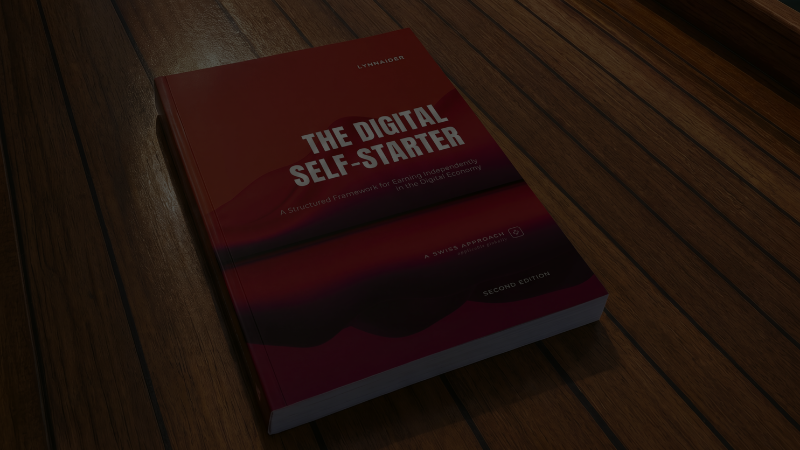
The next article covers the newest method on our list, number fourteen: generative AI advertising. The complete Lesson T5 is in the book on our products page. If you would like help pitching native advertising, see our services page.
Frequently asked questions
What is native advertising online?
It means paying an online publication to place a sponsored article or feature about your business within its own editorial environment, labelled as sponsored or partner content.
Who writes a native advertising article?
Either you write a draft that the publication refines, or the publication’s editorial team writes it based on a brief you provide.
Why is native advertising valuable?
You are buying association: the credibility of appearing within a trusted publication in front of an audience that already trusts it. It is woven into the reading experience rather than interrupting it.
Must native advertising be labelled?
Yes. In most markets, sponsored content must be clearly labelled, for example as ‘Sponsored’ or ‘Partner Content’.
Will Lynnaider publish step-by-step tutorials for setting up the 10 online business models for free or at a very low cost?
They may be created depending on how much interest there is. Please join the waitlist to show that you are interested, and we will let you know as soon as they are ready.
What does ‘nofollow’ or ‘sponsored’ mean on a link?
They are technical link attributes commonly used for paid placements and generally recommended by search engines. Ask the publication whether links in your article will carry them, especially if your business model depends on organic traffic rules.
How do I contact a publication about sponsored articles?
Look for someone in advertising, partnerships or sales. Their contact details are often on the publication’s website. Pitch an idea and ask for their sponsored article rates.
Why are native advertising prices high?
You pay for space in the publication and often for editorial review, copywriting and sometimes several rounds of revisions. Politely negotiating is usually fine once discussions have started.
How do I measure whether native advertising worked?
Track referral traffic from the article in your analytics, and note any sales or newsletter signups from those visitors. Also watch for new followers, mentions or searches for your brand in the weeks after publication.
Which publications should beginners start with?
Smaller, relevant online publications in your niche. They are more affordable, their audiences are more targeted, and their editorial teams are often more willing to work with you directly.
How can I learn to set up an online business at no or low cost?
Lynnaider teaches setup routes for each of the ten online income techniques that cost nothing, or very little (under 20 dollars), to go live, so you do not pay setup costs long before you earn. Our free AI agent, Lynnaider Compass, guides you through them step by step, in the same logic as the whole Lynnaider teaching.
Disclaimer: This article is for general informational purposes only and should not be regarded as legal, tax, or business advice. Pursuing an online business does not guarantee income; results depend on many factors including the business environment, individual effort, skills, and consistency. Some links on this site may allow Lynnaider to earn a commission at no additional cost to the reader.